

Vitamin A For Eye Health
How to get it
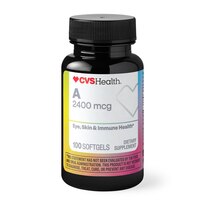

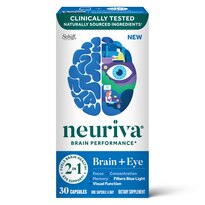


Benefits of Vitamin A for Eye Health
As you age, your body naturally produces less of the essential vitamin A for eye health, which is required to ensure your eyes function properly. At CVS, you can find many options that may help protect against dry eyes and other eye conditions.
Vitamin A for Blurry Vision
There are many eye vitamins that can help maintain good eye health as you age. While vitamin A is essential for overall eye health, the most beneficial eye vitamin for blurry vision is vitamin B. Vitamins including B6, B12 and folic acid may help your eye health by preventing macular degeneration, a condition in which your retina deteriorates as you age, causing blurry vision.
How Does Vitamin A Help With Eye Health?
Vitamin A is one of the most important nutrients your eyes need to maintain good health and function properly. It helps your eyes to have clear corneas, which are the protective outer layers of the eyes. Vitamin A is also a component of rhodopsin, a protein in your eyes that allows you to see in low light conditions and supports the functioning of the cornea. Without the right amount of vitamin A, your eyes won't be able to produce certain pigments that allow you to see a full spectrum of light, leading to night blindness. This deficiency can lead to dry eyes and other eye diseases.
What Are the Benefits of Vitamin A for Eye Health?
Vitamin A offers many benefits for eye health in children and adults. It has been shown to help reverse night blindness and can also help increase lubrication in your eyes. It may be associated with a reduced risk of cataracts and age-related macular degeneration. The right amount of vitamin A for eye health depends on your individual needs. Consult your doctor to find out what's right for you.
If you're looking to increase your vitamin A intake, you may want to reach for supplementsor foods that are high in beta carotene. This is a type of plant pigment in fruits and vegetables and is the primary source of vitamin A in your diet. Leafy green vegetables, such as kale or spinach, as well as orange and yellow vegetables, such as carrots or squash, and red bell peppers, are all good sources of vitamin A.